



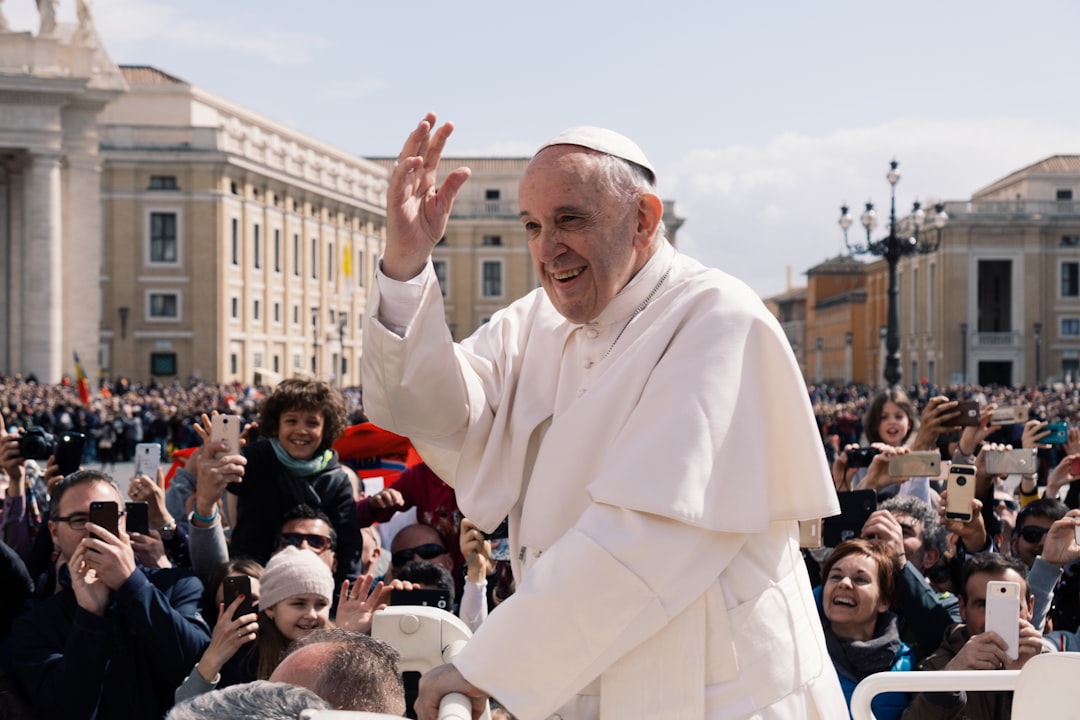
On May 24, 2026, Pope Leo XIV urged a return to fundamental human values amidst the rapid advancement of artificial intelligence in his inaugural encyclical, Magnifica Humanitas. This document is not just a personal theological exploration; it serves as a vital commentary on the broader implications of AI technologies on society, emphasizing moral considerations in how these tools are shaped and deployed. As the discourse surrounding the societal impacts of AI grows louder, the Pope’s message provides a moral framework intended to guide both developers and users of this transformative technology towards more ethical practices.
The timing of this encyclical coincides with a pivotal moment in technological evolution. The continuous integration of AI into various spheres—ranging from military applications to labor markets—is reshaping livelihoods, economies, and global dynamics. In this environment, the Pope’s emphasis on being “profoundly human” resonates not only on a spiritual level but also as a critical call to acknowledge the emerging ethical dilemmas posed by unchecked technological momentum.
AI and Warfare: Ethical Dilemmas on the Battlefield
One of the most pressing concerns outlined in Magnifica Humanitas is AI’s role in modern warfare. As nations increasingly adopt autonomous weapons systems, the potential for ethical oversights grows. The Pope cautions against the dangers of AI-powered warfare, where decisions about life and death may one day rest in the hands of algorithms.
This push for a reconsideration of AI in military applications reflects a broader trend wherein governments and institutions grapple with the implications of deploying AI technologies outside traditional ethical boundaries. Autonomous weapons systems, characterized by their ability to engage without human intervention, present a paradox; while they may promise efficiency and enhanced capabilities, they also risk creating a disconnect between decision-making and moral accountability.
As this issue unfolds, stakeholders in both government and technology sectors must engage in dialogue about responsible use and oversight. The Pope’s message challenges these figures to weigh the military advantages of AI against the repercussions on human dignity and rights, encouraging a precautionary approach over unchecked expansion.
Reimagining Labor in the AI Era
Another cornerstone of the papal document deals with the evolving nature of work in an AI-driven landscape. As AI technologies increasingly automate tasks, questions arise regarding the future of employment and the dignity of labor. Pope Leo XIV posits that the displacement of human workers by machines raises significant ethical concerns, emphasizing the importance of preserving jobs that fulfill both economic and humanistic needs.
The implications of this perspective are significant for businesses, policymakers, and labor organizations. As automation continues to decimate traditional job roles, it becomes imperative for governmental entities to formulate strategies that foster reskilling and upskilling opportunities. Notably, the encyclical advocates for an inclusive approach to technology that responds positively to the needs of workers rather than solely advancing productivity metrics.
Considerations for the labor market moving forward include:
- Investment in education and training programs to enhance digital skills.
- Support for industries that create meaningful roles despite automation trends.
- Regulatory frameworks ensuring the ethical use of AI in labor contexts.
As the dialogue on labor evolves, the Pope’s advocacy for a “profoundly human” approach serves as a reminder that technology should serve humanity and not the reverse.
Preparing for an Ethical AI Landscape
Pope Leo XIV’s encyclical acts as a significant contribution to the ongoing conversation about the ethical responsibilities that come with advancing technology. The call to safeguard human dignity and to mitigate the risks associated with AI echoes similar sentiments expressed by various global leaders, ethicists, and technologists. The challenge lies in translating this high moral ground into actionable frameworks that inform policy and industry standards.
Given the rapid pace of change in AI development, organizations will have to balance innovation with ethical practices. The encyclical compels stakeholders to consider frameworks that guide the creation and implementation of AI technologies. This includes exploring regulatory avenues, international agreements on AI weapons use, and ensuring ethical compliance across the AI landscape.
In light of these challenges, organizations should focus on:
- Integrating ethical assessments in the AI development lifecycle.
- Creating interdisciplinary teams that include ethicists in technology projects.
- Advocating for international dialogues around AI regulations.
As industries and nations interpret and adapt to the Pope’s message, the future of AI will undoubtedly be shaped by decisions made today regarding accountability, moral responsibility, and the overarching ethos of technology.
Looking Ahead: What to Watch in the AI Landscape
The publication of Magnifica Humanitas implies a significant shift in how ethical considerations will permeate discussions around AI. Stakeholders across sectors should monitor how the encyclical influences policy making, public perception, and corporate behavior in the coming months. Moreover, watch for emerging advocacy groups that might use the document as a basis for campaigns aimed at enhancing AI ethics.
As AI continues to evolve, the path forward will require a balance between embracing innovation and reaffirming humanity’s values. The intersection of moral philosophy and technology is where future developments will take shape. The discourse initiated by Pope Leo XIV is poised to inspire serious contemplation about what it means to be human in a world increasingly influenced by artificial intelligence, making the encyclical a potential catalyst for more profound introspection and action across society.
Related Reading
Source: Original report


